
Статья: Packing Cubes vs Compression Packing Cubes: What Works Best for Travel
Packing Cubes vs Compression Packing Cubes: What Works Best for Travel

Modern travel is about packing smarter. With tighter luggage limits and smaller carry-ons, travelers are increasingly reaching for solutions that offer better control over their limited space.
But not all packing cubes provide the same benefits. While traditional packing cubes focus on organization, compression packing cubes are designed to manage bulk by reducing the space clothing occupies inside your luggage. Understanding the difference between packing cubes and compression packing cubes can significantly change how efficiently you pack, whether you are traveling for a short business trip, a family vacation, or an extended itinerary.
In this guide, we will break down how packing cubes and compression packing cubes compare in real-world travel. We will explore how each option works, where standard packing cubes fall short, and why compression packing cubes for travel are increasingly preferred by travelers who want to make better use of their luggage without changing how they travel.
What Are Packing Cubes?
Packing cubes are structured organizers designed to help travelers sort and segment their belongings inside a suitcase or duffel. Their primary function is organization, grouping clothing and travel essentials into separate compartments so items are easier to locate without unpacking the entire bag.
Many travelers use packing cubes to organize clothing by category or outfit. Shirts, bottoms, undergarments, and accessories can each be kept in their own cube, helping maintain order throughout a trip. Packing cubes for luggages are especially helpful when space is shared among multiple items and easy access matters.
Packing cubes for travel gained widespread popularity among frequent flyers and business travelers who value efficiency and consistency.
What Are Compression Packing Cubes?
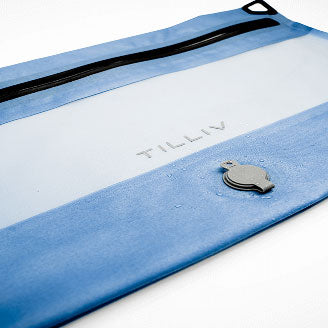
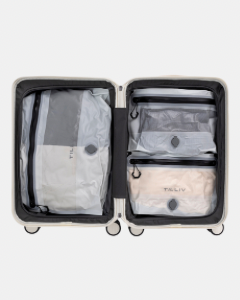
Compression packing cubes take the organizational benefits of standard packing cubes a step further by actively managing bulk. Instead of simply containing clothing, compression packing cubes use a vacuum-based compression system that removes excess air from inside the cube, allowing clothing to take up less space within the luggage.
In real-world travel use, this difference is immediately noticeable. While regular packing cubes depend on neat folding and structured packing, compression packing cubes for travel are designed to adapt as clothing is added, removed, and repacked throughout a trip. They focus on space efficiency along with maintaining a perfectly folded layout.
Importantly, compression packing cubes are built to manage space, not weight. They help travelers make better use of the available room inside carry-on bags, checked luggage, and duffels by reducing bulk, making compressible packing cubes a practical choice for travelers who need flexibility without changing how much they carry.
Packing Cubes vs Compression Packing Cubes: A Quick Comparison
At a glance, packing cubes and compression packing cubes may look similar, but they serve different purposes once placed inside luggage. Understanding where they overlap and where they differ helps travelers choose the option that best supports how they actually pack and travel.
Key Similarities Between Both Types of Packing Cubes
Both standard packing cubes and compression packing cubes help travelers organize their luggage more efficiently. They allow clothing and travel essentials to be grouped together, making it easier to locate items without disturbing the rest of the bag.
Packing cubes for travel also brings structure to packing cubes for luggage, whether used in carry-on bags, checked suitcases, or duffels. For travelers who value order and quick access, both options improve overall packing clarity.
Key Differences That Matter to Travelers
The most important difference lies in how each type manages space. Compression packing cubes reduce bulk by removing excess air using a vacuum-based system, while regular packing cubes keep your suitcase structured entirely on neat folding.
In practical use, compression cubes for packing offer a level of space management that standard packing cubes compression methods cannot achieve. By actively reducing bulk, compression packing cubes help travelers make more efficient use of available luggage space. This allows many travelers to bring fewer bags, avoid upgrading to larger luggage, and reduce the need for additional checked baggage, all without changing how much they pack.
Where Regular Packing Cubes Fall Short in Real Travel?
While traditional packing cubes remain useful for organization, their limitations become more noticeable during longer or more dynamic trips.
Limited Compression Capability
Regular packing cubes do not significantly reduce clothing volume. Bulky or soft items still occupy the same amount of space once packed, which limits how much travelers can fit into their luggage. When space is tight, packing cubes alone offer structure but not meaningful bulk reduction.
Require Neat Packing to Be Effective
The effectiveness of standard packing cubes depends heavily on careful folding and consistent packing. Once clothing has been worn and repacked during a trip, maintaining that neat structure becomes less practical. For travelers on multi-day or multi-stop itineraries, this can reduce the usefulness of traditional packing cubes over time.
Not Ideal for Worn or Dirty Clothes
Most travelers do not neatly fold laundry at the end of a journey. Used clothing often takes up more space on the return trip, and regular packing cubes provide little flexibility for managing that extra bulk. This can make repacking more challenging as a trip progresses.
Minimal Protection Against Weather and Moisture
Standard packing cubes are made of fabric and are typically not designed to offer protection against weather or moisture. In damp environments or unpredictable conditions, they provide limited shielding for clothing, making them less suitable for travel scenarios where luggages sit wet on a tarmac.
Benefits of Compression Packing Cubes
Compression packing cubes for travel are designed to do more than organize. By actively managing bulk, they help travelers use their luggage space more efficiently across a wide range of travel styles and trip lengths.
Reduce Bulk and Maximize Space in Any Luggage
Compression packing cubes reduce bulk by removing excess air, allowing clothing to occupy less space inside luggage. This makes them suitable for both small and large suitcases, as well as duffels used for short or extended trips.
They are particularly effective for bulky or soft items such as jackets, knitwear, and layered outfits that tend to take up disproportionate space when packed normally. With compression cubes for packing, these items become easier to manage without compromising overall organization.
Practical for Short Trips, Long Trips, and Frequent Travel
Compression packing cubes for travel are useful well beyond seasonal packing needs. They adapt easily to different trip types and packing habits, making them a versatile option for travelers who are frequently on the move.
They work equally well for:
- Short business trips where space is limited
- Carry-on-only travel that requires careful space planning
- Multi-stop itineraries with frequent unpacking and repacking
- Family travel where clothing volume varies across travelers
- Couples vacations where shared luggage space needs to be managed efficiently
Helps Travelers Carry More Without Carrying More Bags
By making better use of existing luggage space, compression packing cubes allow travelers to pack more efficiently without adding extra bags. This supports more flexible packing while avoiding the need to upgrade luggage size or change travel routines.
Choosing the Right Compression Packing Cubes for Your Luggage
Selecting the right compression packing cubes depends on the type of luggage you use and how you prefer to pack. The goal is to match cube size and structure to your luggage layout for the most efficient use of space.
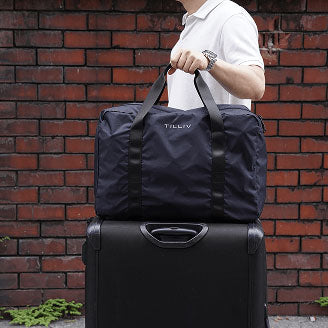
For Carry-On and Cabin Luggage
- Helps manage limited internal space
- Keeps clothing compact and organized
- Ideal for travelers who prefer compact, manageable luggage
For Checked Luggage
- Reduces bulk from clothing without overstuffed bags
- Allows more balanced packing across larger suitcases
- Supports efficient packing without adding extra bags
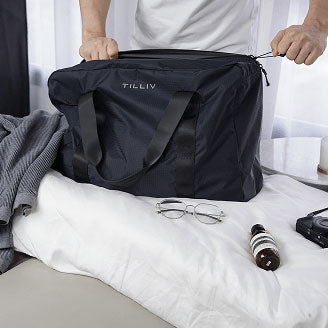
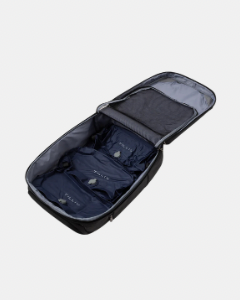
For Duffels and Soft Luggage
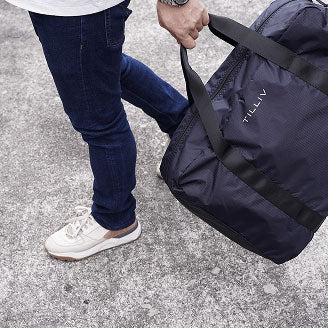
- Compression helps maintain structure inside flexible bags making it easier to carry
- Prevents soft luggage from becoming disorganized during transit
- Makes it easier to access items without unpacking everything
When Regular Packing Cubes May Still Be Useful?
While compression packing cubes offer clear advantages for managing bulk, traditional packing cubes remain useful in certain situations. They work well for trips where clothing remains mostly unused or neatly folded, such as short stays or business travel where outfits are planned in advance.
Regular packing cubes are also sufficient for minimal packing scenarios where space is not a concern and clothing can remain organized without compression. In these cases, packing cubes for travel provide structure and convenience without the need for a vacuum system.
Durability and Longevity Comparison
At TILLIV, we test each of our vacuum packs at twice the design pressure before packaging and shipping. This ensures we can confidently stand behind the quality and durability of our travel compression packing cubes.
Material Quality
Regular packing cubes are made of fabric and are functional for organization, but TILLIV’s compressible packing cubes are made from premium materials designed for repeated travel use. The structure supports both compression and ongoing wear without compromising performance.
Zippers and Construction
TILLIV’s compression systems are built to handle repeated use. Integrated zipper guards protect your clothing from getting snagged or damaged during the packing and sealing process, keeping the cubes reliable for both short trips and extended travel.
Long-Term Reusability
Compression packing cubes are an investment in efficient packing that lasts. Their durability makes them suitable for frequent travelers who need reliable, long-term solutions for managing luggage space.
Expert Tips for Using Compression Packing Cubes Effectively
To get the most from compressible packing cubes, organization and strategic placement are key. Consider the following tips:
- Organize clothes according to outfits or separate tops and bottoms to simplify access during travel.
- Choose compression packing cubes designed for your suitcase or duffel to maximize available space.
- Maintain an accessible suitcase layout so items can be removed and repacked without disturbing the entire bag.
- Place your heaviest items near the wheels and compress these first to create a stable foundation, which prevents your suitcase from tipping and makes it easier to navigate through the airport.
Following these practices ensures that compression packing cubes provide the intended benefits while keeping the luggage orderly and easy to manage.
Final Thoughts
Compression packing cubes for travel take the concept of packing cubes further by managing bulk, maximizing usable luggage space, and adapting to the real demands of modern travel. While traditional packing cubes remain useful for simple organization or minimal packing, compressible packing cubes offer greater flexibility and efficiency for frequent travelers, multi-stop trips, and those carrying bulkier clothing.
At TILLIV, our compression packing cubes are specifically engineered for optimal results with Nano Pump. Unlike manual rolling, which can be inconsistent, Nano Pump provides a predictable, high-level vacuum every time. This ensures your clothes stay as compact as possible, maximizing your luggage space. If you have any questions, please contact us.
FAQs
Q1. Are packing cubes or compression packing cubes better for travel?
Compression packing cubes for travel are generally more versatile, as they reduce bulk and help maximize luggage space, while regular packing cubes focus on organization and structure.
Q2. Do compression packing cubes really reduce luggage bulk?
Yes. By removing excess air from clothing, compression packing cubes make items more compact, allowing better use of luggage space without changing how much you pack.
Q3. Are packing cubes allowed in carry-on luggage?
Yes. Both packing cubes and compression packing cubes can be used in carry-on luggage, as they are considered packing aids rather than restricted items.
Q4. Are compression packing cubes safe for delicate fabrics?
Yes. Compression packing cubes are designed to compress clothing gently. Softer fabrics like knitwear, jackets, and layered items are well-suited for travel use.
Q5. How many packing cubes are needed for a 7-day trip?
The number depends on your luggage size and travel style, but typically 3–5 cubes are sufficient to separate clothing by type or outfit and manage bulk effectively.
Q6. Are compression packing cubes suitable for bulky clothing?
Yes. Bulky items such as jackets, sweaters, or layered outfits compress well in compressible packing cubes, making them easier to pack without overstuffing your luggage.
Q7. What packing cube sizes work best for different luggage types?
- Carry-on and cabin luggage: Smaller or medium cubes for tops, bottoms, and accessories.
- Checked luggage: Medium to large cubes for bulkier clothing.
- Duffels and soft luggage: A mix of sizes to maintain structure and maximize space.