
Compression Bags for Travel: 9 Pro Packing Tips

You’ve planned a two-week trip, but your clothes already fill your carry-on before you’ve added shoes. Compression bags for travel can help you manage that bulk, especially when jackets and sweaters take up most of the room. The trick is to pair them with a packing plan that makes everything easy to find.
Start with what you’ll actually wear. Then give each item a place, keep daily essentials within reach, and leave yourself room to repack. These nine tips will help you build a system that works through the whole trip.
1. The “Capsule Wardrobe” Strategy
A capsule wardrobe gives you several outfit choices from a small selection of clothes. Pick a color palette so you can wear each top with more than one pair of pants or shorts. Choose layers that work for both daytime plans and casual dinners.
Before packing, lay out your outfits. If something works with only one item, consider leaving it behind.
Pro tip: Use our Compak Small to group a day’s outfit or keep bulky essentials close by on your trip. Organizing your essentials into travel compression bags also helps you see what room remains before adding extras.
2. Master the Bulk with Compression Bags for Travel
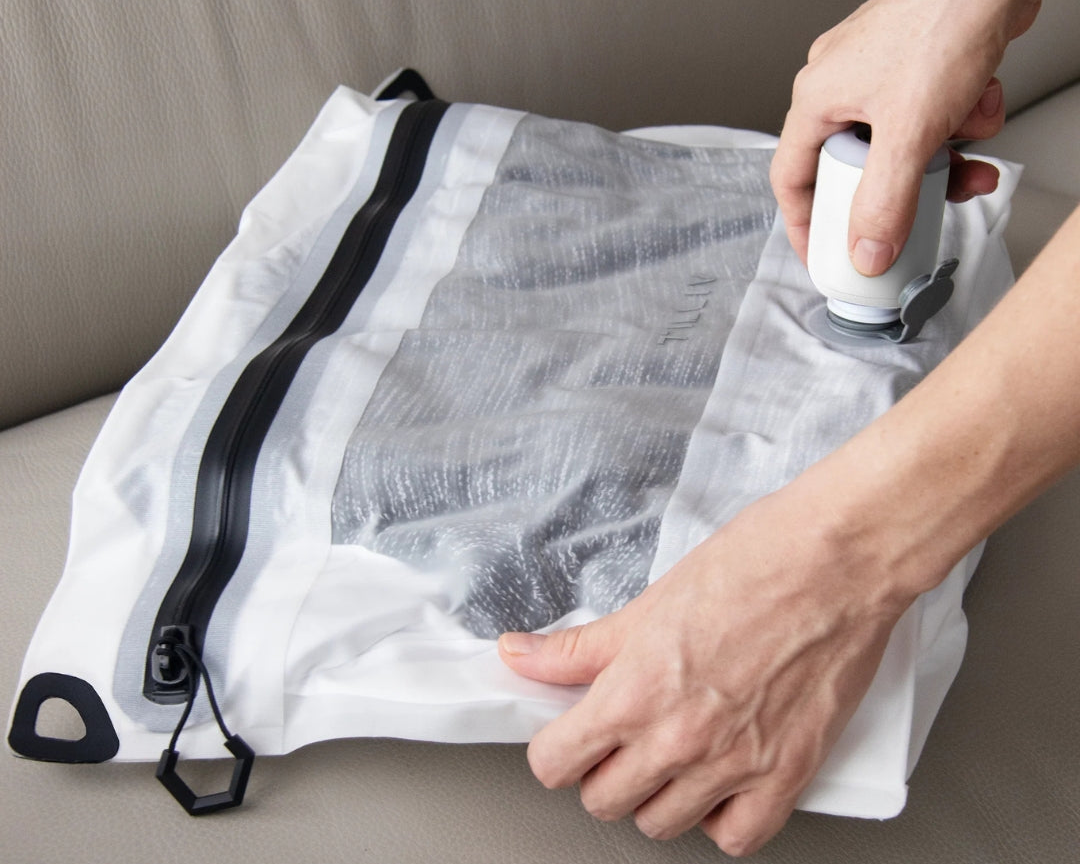
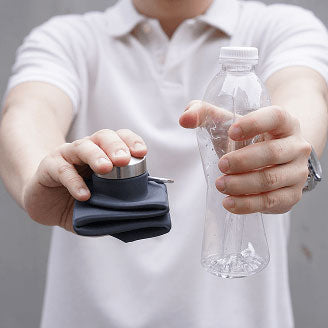
Bulky clothing can fill your suitcase while leaving trapped air between soft layers. Our Compak Medium vacuum bags for travel work with Nano Pump to draw out that air, helping your clothes take up less room.
Focus on items that crowd your bag:
-
Puffer jackets and soft winter layers: Check each item’s care guidance before compressing.
-
Sweaters and hoodies: Group them so you can grab warm layers at once.
-
Beach towels and activewear: Pack them clean and fully dry.
-
Pillows and children’s stuffed toys: Check whether the maker allows compression. Keep rigid, electronic, or delicate parts out of vacuum packs.
Arrange suitable items evenly, close the zipper fully, and use Nano Pump. Keep the pump handy for repacking later.
3. Utilize the Inside of Your Shoes
Shoes take up space, but their empty interiors can hold small essentials. Tuck clean socks into a small pouch before placing them inside each shoe. This keeps them together and adds some support to the shoe’s shape.
You can also tuck a protected cable pouch inside a shoe if it fits without force. Keep valuable jewelry in a secure case in your personal bag so you can reach it easily.
Finally, place shoes in a separate shoe bag. This keeps dirty soles away from your clean clothing and makes shoes easier to remove when you unpack.
4. The “Dirty Laundry” Barrier
Your packing system needs to handle the clothes you’ve already worn, too. Without a laundry space, you can end up searching through yesterday’s outfit to find a clean shirt.
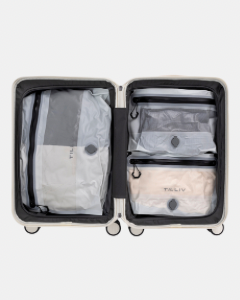
Our Compak Medium with Divider has a built-in separator that lets you keep clean and worn clothes apart within the same pack. Set aside one section for laundry from the start, then move dry, worn clothing into it as your trip goes on.
Keep damp swimwear or sweaty gym clothes separate until you can wash and dry them. Avoid sealing moisture inside with other items. Do not operate Nano Pump with wet items.
5. Categorize for Faster Unpacking
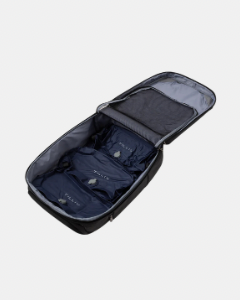
Think of your suitcase as a dresser with sections you can lift out. Choose different sizes of travel compression bags based on the clothes you bring and how you get dressed.
-
Small bags: Group socks, underwear, or an arrival outfit.
-
Medium bags: Keep T-shirts, shorts, and everyday clothing together.
- Large bags: Use them for suitable bulky layers or towels that need more room.
Keep formal outfits separate if you’ll need to hang them as soon as you arrive. At your hotel, move each clothing group into a drawer or leave it in its pack. Either way, you’ll know where to look.
6. Weight Distribution 101
Once you’ve packed each section, think about where it belongs in your suitcase. A dense pack at the top can make your luggage awkward to handle.
- Place heavier shoes and clothing packs near the wheels when the suitcase stands upright.
- Spread the load across both sides instead of filling one corner with heavy items.
- Use the suitcase’s internal straps to limit shifting.
- Keep anything you’ll need during transit near the opening.
Compression reduces bulk, not weight. Check your fully packed bag against your airline’s allowance before you leave.
7. Protect Against “The Toiletry Explosion”
A loose shampoo cap can turn unpacking into a cleanup job. Check every lid, lock pump tops where possible, and place liquid containers inside a separate leak-resistant pouch.
For checked luggage, position a heavier toiletry kit near the wheels and secure it so it won’t shift. Placement alone won’t contain a spill, though, since your suitcase may travel on its side.
Our Compak packs are water-resistant and rain-proof to protect your clothes. Ensure protection for other items with properly closed bottles and separate liquid storage.
8. The “Just-In-Case” Souvenir Space
If you fill every corner before departure, even a new sweatshirt can make the return trip harder. Leave some room for purchases, or bring a spare compression travel bag for suitable soft items.
Use it to group new clothes, then compress them with Nano Pump before packing for home. Keep fragile souvenirs and hard objects separate.
Before shopping, consider what your suitcase can hold comfortably. The extra packing room doesn’t change your airline’s size or weight limits, so check both before your return flight.
9. Digital & Cord Management
You shouldn’t have to empty your suitcase to find a charging cable. Gather cables, adapters, and chargers in a small tech pouch, with separate sections for items that could scratch or tangle.
- Coil cables loosely and secure each with a reusable tie.
- Keep your most-used charger near the pouch opening.
- Store electronics away from toiletries.
- Use a suitable water-resistant tech case if you need spill protection.
Keep power banks in your carry-on and protect them from damage and short circuits, following FAA guidance. Use your TILLIV vacuum packs for soft items, not electronics.
Travel Smarter with Better Organization
A useful packing system makes both departure and the return journey easier. Choose clothes that work together, separate the items you’ll need often, and plan for laundry before it builds up.
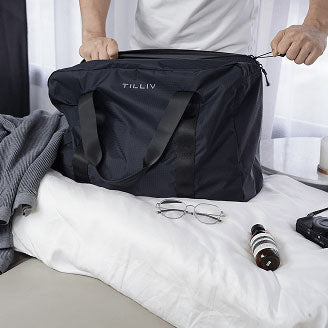
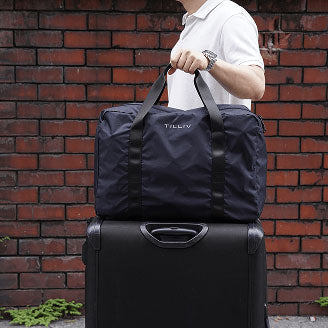
Pair that routine with our compression bags for travel to manage clothing bulk and keep your suitcase organized. Start with the Compak sizes that suit your bag, and pack your Nano Pump so you can use the same setup at every stop.
FAQs
Q1. What are compression bags for travel?
Compression bags for travel are storage bags designed to reduce the bulk of suitable soft items such as clothing, towels, and other packable fabrics. Depending on the design, air can be removed manually or with a pump to make the contents more compact.
Q2. Do compression bags really save space in luggage?
Yes, compression bags can reduce the bulk of suitable soft items by removing trapped air. They can make clothing and other compressible items more compact, but they do not reduce the actual weight of the contents.
Q3. How do travel compression bags work?
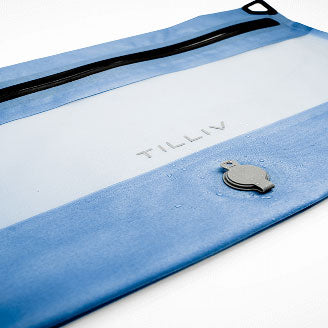
Travel compression bags work by placing suitable items inside the bag, closing the seal, and removing trapped air. TILLIV vacuum packs are designed to work with the Nano Pump, which removes air after the bag has been packed and sealed.
Q4. What should you put in compression travel bags?
Compression travel bags work well for suitable soft items such as sweaters, jackets, towels, and other compressible clothing. Check the care instructions for individual items before compressing them, and keep electronics, rigid objects, and delicate items out of vacuum bags.
Q5. Are compression bags good for long trips?
Compression bags can be useful for longer trips when you need to organize bulky clothing and manage available luggage space. They work particularly well when combined with a packing plan that separates everyday clothes, layers, laundry, and other essentials.
Q6. What is the difference between compression bags and packing cubes?
Packing cubes primarily organize clothing into separate sections, while compression bags are designed to reduce the bulk of suitable soft items. Some products combine organization and compression, so the best option depends on whether your priority is compartmentalization, bulk reduction, or both.